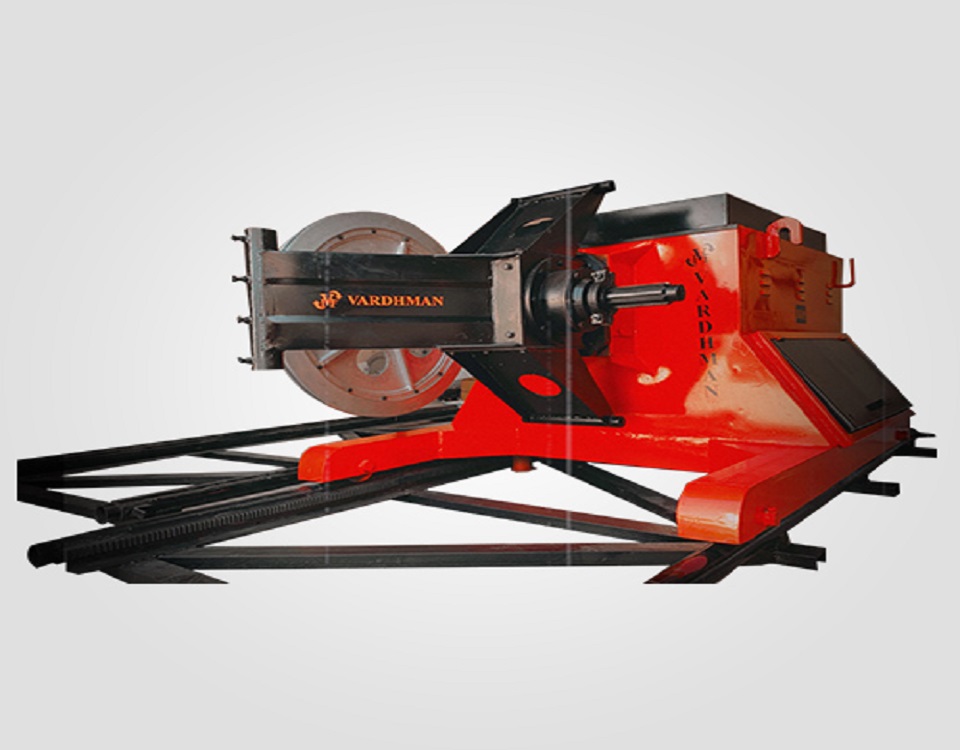
How Wire Tension and Speed Settings Affect Cut Quality in Granite Blocks

Why Stone Drilling Machine Precision Matters for Block Extraction
August 19, 2026
Safety Protocols Every Operator Should Follow When Running a Diamond Wire Saw
September 11, 2026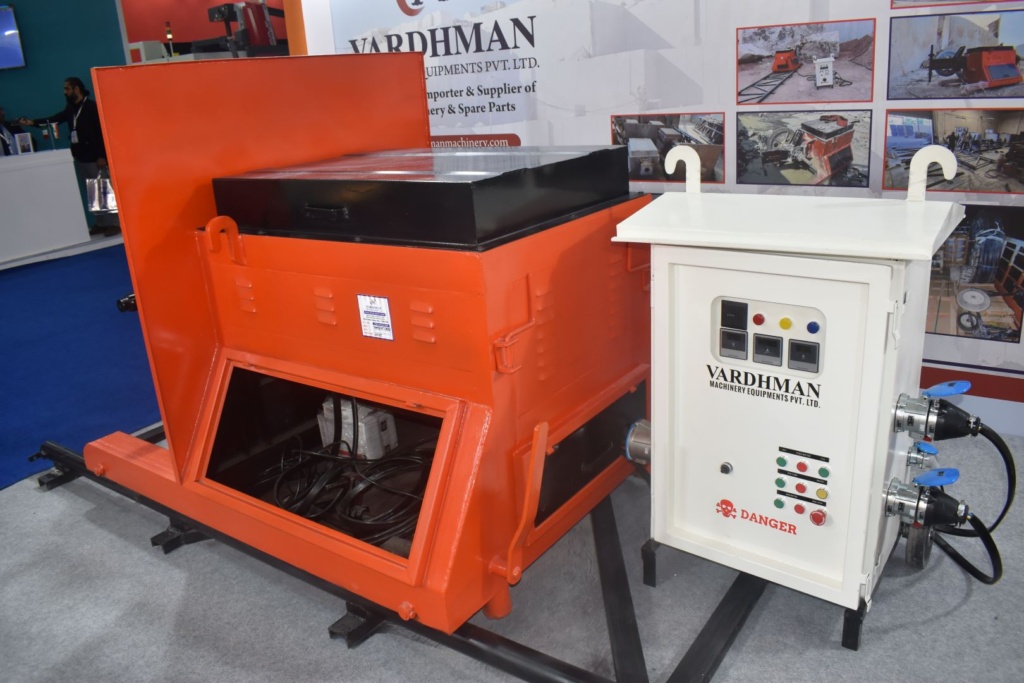
Granite doesn't forgive sloppy settings. Anyone who has stood next to a machine mid-cut knows the difference between a clean, even slab and one with wavy edges or micro-fractures comes down to two dials most operators barely think about: tension and speed. Get them wrong, and you're not just wasting granite; you're burning through wire, electricity, and time. That's a lesson every serious wire saw machine manufacturer learns early, usually the hard way, watching a batch of otherwise good stone come out slightly off and having to figure out why. This isn't really a technical footnote. It's the difference between a slab that sells at a premium price and one that gets discounted for surface flaws nobody wanted to explain to the client.
Why Wire Tension Matters More Than Most Operators Assume
The tension determines the degree of bending of the wire while it goes through the blocks. If it is loose, the wire will wander, which will show itself in the cut in the form of slight undulation. If the tension is too tight, the wire gets worn out quicker than it should and may even break in the process of cutting.
Nevertheless, most operators set the tension once and forget it about it, while granite blocks are inconsistent in density. In the denser areas, there will be more resistance to cutting, while in the softer parts it will be easier to cut.
Speed Settings and Their Direct Impact on Surface Finish
Cutting speed determines the amount of heat that builds at the point of contact. If cutting too fast, the diamond beads may get too hot, leading them to become glazed instead of making cuts in the rock. This misconstruction is often blamed on wire quality when, in fact, the cause is the speed. On the other hand, having too slow a speed results in wasted time spent on production. Sometimes, even the result may look worse, as the wire is spending too much time in the same place and generally hurts the finishing of the stone.
The suitable speed at which the cutting process should be carried out depends on the hardness of the granite, size of the beads in the wire, and the individual judgment of the operator gathered through years of experience with a particular machine.
Finding the Balance Between Tension and Speed for a Wire Saw Machine Manufacturer's Equipment
The two settings don't work in isolation; they pull against each other. High tension with high speed generates more friction than most cooling systems can manage, which shortens wire life fast. Low tension with low speed feels safe but leaves you with inconsistent cuts and longer cycle times than necessary. The balance point shifts depending on block hardness, wire diameter, and even ambient temperature at the site.
This is why machines built by a skilled wire saw machine manufacturer with adjustable, responsive controls matter so much. A rigid, one-setting-fits-all system forces operators to compromise somewhere, and that compromise usually shows up on the finished slab.
Common Mistakes That Reduce Cut Quality
A few patterns show up again and again on quarry floors. Operators copy settings from a different block without accounting for density changes. Cooling water gets reduced to save cost, which quietly raises the effective heat load even at correct speed. Wire is reused past its useful life because replacing it "can wait one more block." Each of these seems minor on its own, but stacked together they explain most of the surface defects that get blamed on the machine itself.
What Sets Vardhman Machinery Apart
Vardhman Machinery builds cutting systems around this exact tension-speed relationship rather than treating them as separate settings. The machines allow real-time adjustment so operators can respond to what the stone is actually doing, not just what a preset chart suggests. Field support matters too; a lot of quality issues get solved over a phone call once someone understands what the wire and tension gauges are showing.
Customers stick with Vardhman Machinery because the equipment holds calibration over long runs, and because replacement parts don't require weeks of waiting. For an industry where downtime costs real money, that reliability ends up mattering as much as the cutting performance itself.
Getting the Most Out of Your Cutting Setup
The quality of granite cutting has to do with different factors including tension, cooling, speed, and wire state. The machine operators who treat the components of this system as constants have wasted significantly more materials than those who adapt properly to the current situation. Acquiring knowledge about how wire saw machine manufacturer are calibrated will pay off significantly during operation because there will be no wasted granite blocks due to mistakes in cutting.