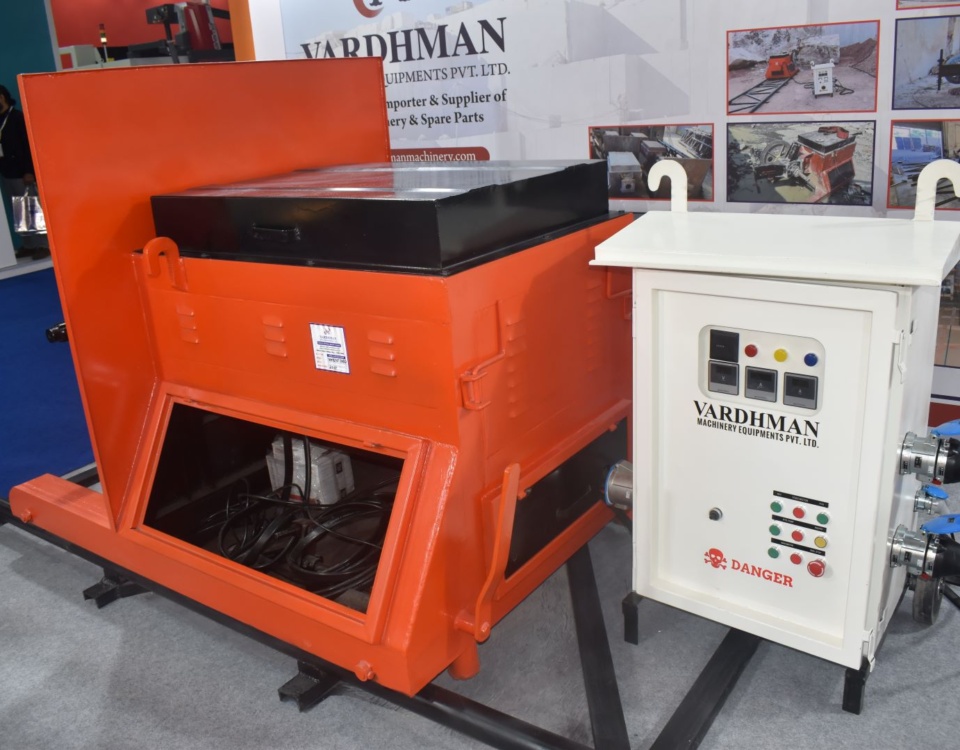
Safety Protocols Every Operator Should Follow When Running a Diamond Wire Saw

How Wire Tension and Speed Settings Affect Cut Quality in Granite Blocks
August 26, 2026
Line Drill vs Wagon Drill: Which Fits Your Quarry?
September 21, 2026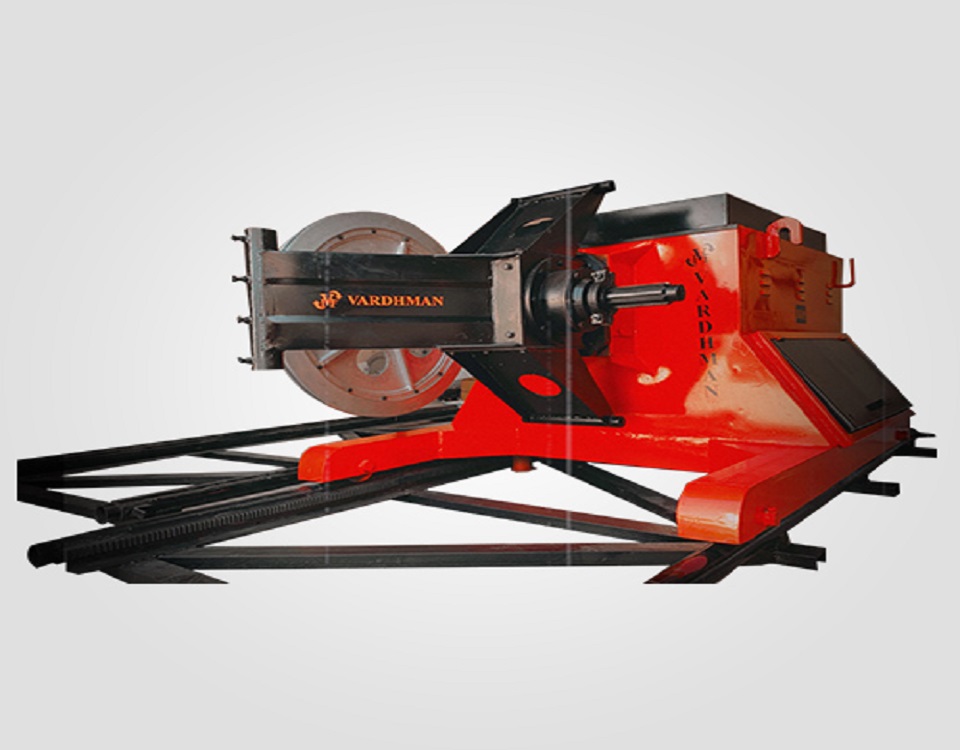
Cutting granite or marble blocks looks fairly routine from the outside, but anyone who has actually stood beside a running rig knows how fast things can go wrong. A loose guard, a frayed cable, or a moment of distraction is often all it takes. This is exactly why operators who work with a diamond wire saw machine on a daily basis need more than just technical know-how; they need habits that don't slip, even on a rushed Monday morning. Real safety on a quarry floor isn't a poster stuck on the wall near the tea stall. It's the operator checking the same handful of things before every single cut, without exception.
Pre-Operation Checks Before Starting the Diamond Wire Saw Machine
Before power is switched on, the machine deserves a proper look, not a glance. Operators should inspect the wire for kinks, fraying, or uneven wear, since a compromised wire under tension is one of the most common causes of on-site injuries. Pulleys, flywheels, and tensioning systems need to be checked for alignment, and any hydraulic hoses should be examined for leaks or cracking. It sounds tedious, and honestly, some days it is. But the five minutes spent here are cheaper than the alternative.
Personal Protective Equipment Operators Can't Skip
Diamond wire cutting throws up fine dust, occasional debris, and constant vibration, so the usual half-hearted PPE routine doesn't cut it, pun intended. Safety goggles, hearing protection, steel-toe boots, and gloves rated for cutting work are non-negotiable. Loose clothing or dangling jewellery should stay at home. It's a small list, but skipping even one item is how minor slips turn into hospital visits.
Common Hazards on the Cutting Floor and How to Avoid Them
Most accidents around wire saws come down to a short list of repeat offenders: wire breakage under load, entanglement near moving parts, and operators standing in the "line of fire" if a wire snaps. Keeping a safe standing distance, marking exclusion zones around the cutting area, and never overriding tension limits set by the manufacturer go a long way. Water cooling systems also need constant monitoring, since a saw running dry heats up fast and wears the wire down long before its time.
Maintenance Practices That Keep a Diamond Wire Saw Machine Running Safely
Safety and maintenance aren't really separate conversations; they're the same one. A well-maintained diamond wire saw machine simply fails less often, and when it does show early signs of trouble, a consistent maintenance log catches it before it becomes dangerous. Beads should be inspected for uneven wear, motors checked for overheating, and lubrication schedules followed rather than guessed at. Teams that treat maintenance as a chore usually pay for it later.
Training, Communication, and Site Coordination
Even the best machine can't compensate for poor communication on site. Operators, helpers, and supervisors need a shared understanding of hand signals, emergency stop locations, and who's responsible for what during a cut. New operators should train under supervision for a reasonable stretch before working solo, and refresher sessions matter more than most teams admit. A site where everyone knows the plan is a site where fewer things go sideways.
Why Choose Diamond Wire Saw from Vardhman Machinery
Vardhman Machinery builds equipment with the operator's daily reality in mind, not just spec sheets. Our machines come with clear safety documentation, accessible service support, and components designed to hold up under continuous industrial use. Customers keep coming back because our team stays reachable long after the sale, whether that means sourcing a spare part or walking a new operator through setup over a phone call. For a company like Vardhman Machinery, a satisfied long-term customer matters more than a quick sale.
Building a Safety-First Culture Around Diamond Wire Saw Machine Operation
Rules on paper only go so far. What actually protects operators is a workplace culture where raising a concern about worn equipment isn't seen as slowing things down, but as doing the job properly. Supervisors who walk the floor, teams that report near-misses instead of shrugging them off, and equipment such as a diamond wire saw machine serviced on schedule rather than after it breaks that combination keeps quarry and construction sites running without incident. Safety isn't a one-time checklist. It's the standard a team holds itself to every single day.