Line Drill vs Wagon Drill: Which Fits Your Quarry?

Safety Protocols Every Operator Should Follow When Running a Diamond Wire Saw
September 11, 2026
10 Maintenance Habits That Extend the Life of Your Mining Equipment
October 12, 2026
Every quarry begins with creating a hole. Prior to the splitting of the stones into blocks or the blasting of benches, the first act to take place is drilling into the rock. Quarry operators often turn to mining equipment supplier in India to check which is better: a line drill or a wagon drill. Well, the answer depends on the type of rock being cut. A line drill comprises a set of holes drilled in one line so that the stone can be split cleanly. A wagon drill is a wheeled machine that creates the needed blasting holes much faster and deeper.
How a good mining equipment supplier in India compares these two rigs
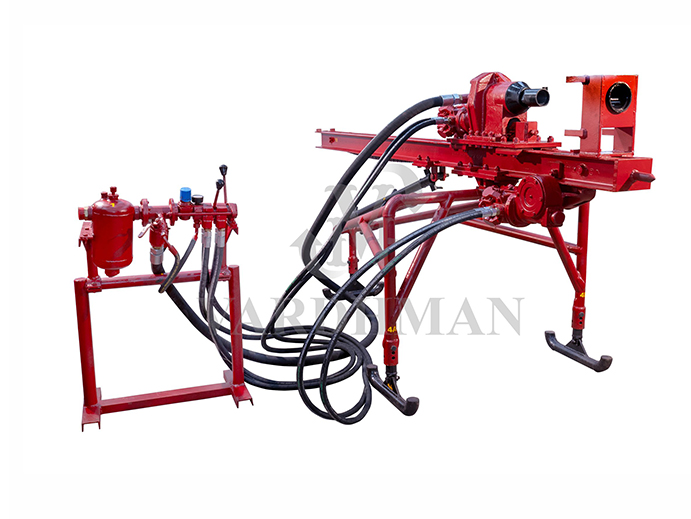
These two machines get lumped together, but they do different jobs. A line drill is about control. Its holes are small, close together and placed exactly where the stone should part, which is why it is standard in dimension stone work like marble and sandstone. A wagon drill is about volume. It rides on a wheeled carriage, carries a heavier rock drill and makes the larger holes used for blasting. One cuts blocks. The other breaks ground.
Where line drilling earns its place
If your quarry sells blocks, line drilling usually pays back quickest. Closely spaced holes let you split a block along a planned face with wedges or expansive grout, so the stone is never shaken by a blast. Fewer hidden cracks mean fewer rejected slabs. Drilling is also the first step before a diamond wire saw can start cutting. A good stone drilling machine here is judged on accuracy, not speed, since one crooked hole can spoil a cut.
Why quarry owners ask a mining equipment supplier in India about wagon drills
Wagon drills are the workhorse for benches where the goal is broken rock, not a perfect face. As a rock drilling machine, it covers ground fast, runs off an air compressor and copes with hard rock. That suits cement limestone, aggregate and mineral quarries where the stone is crushed anyway. The catch is precision. Deeper holes can drift off line, so a wagon drill is a poor choice when a clean, straight split is what you are paid for.
Rock type, output and running cost decide it
The rock comes first. Stone with clear natural planes, like sandstone, splits well from line-drilled holes. Massive rock headed for the crusher does not need that care. Next is what you sell, because blocks reward precision and aggregate rewards tonnage. Last is money. A line drill is cheap to run per hole, but you need a lot of holes. A wagon drill costs more upfront and only pays back if you blast often.
How to pick the right rig with a mining equipment supplier in India before you buy
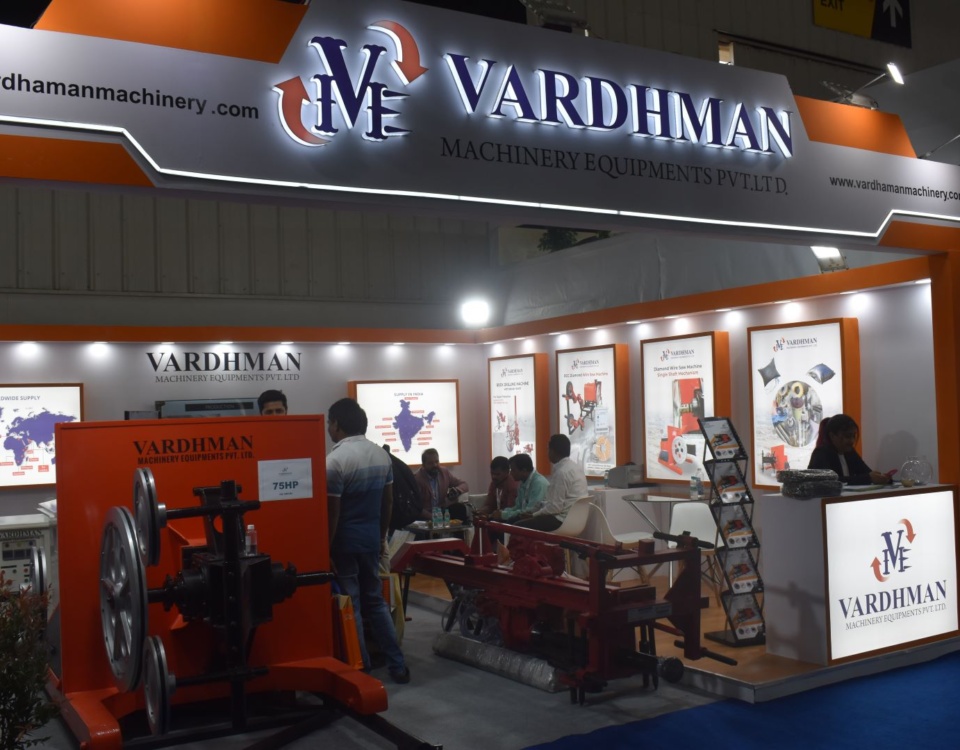
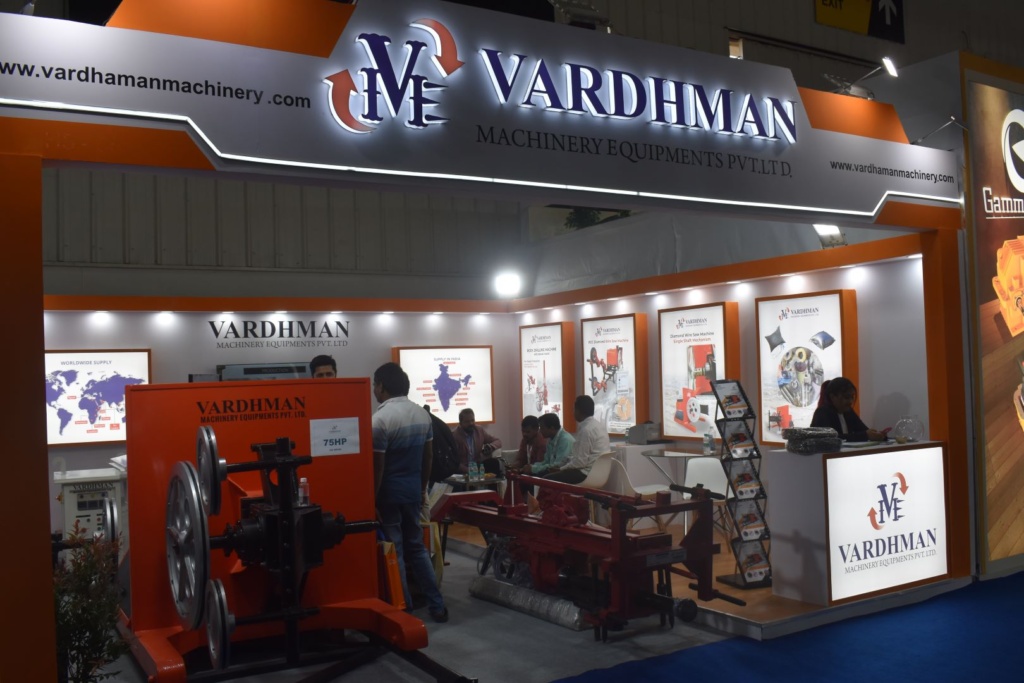
Bring rock samples, bench height, daily output and the compressor you already own. They tell a supplier far more than a machine name does. At Vardhman Machinery, we would rather spend an hour on those details than sell you a rig that sits idle. If you do both block work and blasting, ask about a mixed fleet, a line drill for the faces and a wagon drill for the bulk. Then compare running costs, not just the price tag.
Why choose Vardhman Machinery
We build stone drilling machines and quarry drilling equipment in Udaipur, so we know what Rajasthan's rock does to a bit. Vardhman Machinery keeps its advice simple. If a line drill fits your work, we say so. If a wagon drill is the better buy, we say that too. Buyers who want a dependable mining equipment supplier in India usually want two things: a machine that suits their stone and someone who answers the phone when it stops.
Making the call for your quarry
So, which one fits? If you cut blocks, start with a line drill. If you break rock for crushing, a wagon drill will earn more. The wrong choice rarely fails on day one. It shows up months later as cracked slabs and rigs that never pay back. Talk to a mining equipment supplier in India you trust before the purchase order goes out. Vardhman Machinery is happy to run the numbers with you.